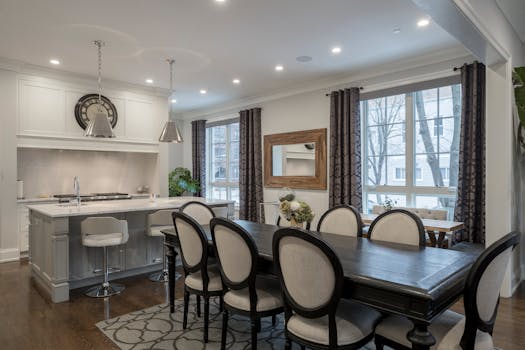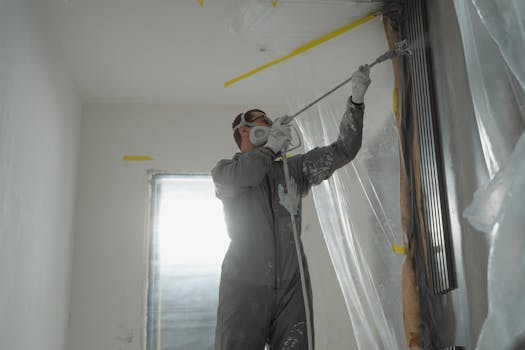
Ever stared at your home and felt a whisper of possibility? A longing for more light, a functional kitchen that actually works, or a sanctuary that truly reflects your soul? This is where the magic of design home house renovation begins. It’s not just about knocking down walls and slapping on paint; it’s a deeply personal journey of transforming your living space into something that not only looks good but feels right. Many approach renovation with a simple checklist, but the most successful projects stem from a thoughtful blend of vision, strategy, and a touch of intuition.
The ‘Why’ Behind the Walls: Defining Your Renovation Goals
Before a single hammer swings, understanding your motivations is paramount. Are you looking to boost resale value, adapt to a growing family, or simply create a more comfortable and aesthetically pleasing environment?
Functionality First: Does your current layout hinder your daily life? Perhaps the kitchen is cramped, or there’s a lack of dedicated workspace. Prioritizing how you use your home is the bedrock of smart design.
Aesthetic Evolution: Is your home feeling dated, or does it no longer align with your personal style? Renovation offers a chance to infuse your personality and bring in modern elements.
Future-Proofing: Consider how your needs might change. Adding accessible features or designing flexible spaces can ensure your home remains suitable for years to come.
Budgeting with Brains: Making Every Penny Count
One of the most daunting aspects of design home house renovation is often the budget. It’s easy for costs to spiral, but with careful planning, you can achieve remarkable results without breaking the bank. I’ve often found that homeowners underestimate the “hidden” costs, so building in a contingency is absolutely crucial.
The Realistic Estimate: Get detailed quotes from multiple contractors. Don’t just ask for a lump sum; understand what each line item covers.
Prioritize Your Splurges: Decide where you want to invest and where you can afford to be more frugal. High-impact, high-traffic areas (like the kitchen and bathrooms) might warrant more investment than less-used spaces.
The 10-20% Buffer: Always add a contingency fund of at least 10-20% for unexpected issues that inevitably arise during any renovation project. It’s better to have it and not need it, than to need it and not have it!
Unlocking Potential: Design Strategies for a Smarter Home
This is where the “design” in design home house renovation truly shines. It’s about creating solutions that are both beautiful and practical. Think about how you can maximize light, space, and flow.
#### Maximizing Natural Light and Space
Strategic Window Placement: Can you add new windows or enlarge existing ones to bring in more daylight? Skylights can be game-changers for darker areas.
Open-Concept Living: Removing non-load-bearing walls can create a sense of spaciousness and improve circulation.
Clever Storage Solutions: Built-in cabinets, hidden nooks, and multi-functional furniture can drastically reduce clutter and make spaces feel larger.
The Collaborative Dance: Working with Professionals
Engaging architects, interior designers, and contractors can elevate your renovation from good to extraordinary. They bring expertise, experience, and a fresh perspective that can save you time, money, and headaches.
Finding the Right Fit: Look for professionals whose portfolio resonates with your vision and who have excellent communication skills.
Clear Communication is Key: A detailed brief and open dialogue throughout the project are essential for a smooth process. I’ve seen projects falter more from a lack of clear communication than from any technical issue.
Understanding Roles: Architects focus on the structural and spatial design, while interior designers concentrate on finishes, furnishings, and the overall ambiance. Contractors are your builders, bringing the plans to life.
Navigating the Unexpected: Problem-Solving on the Fly
Even with the most meticulous planning, renovations can present surprises. Old plumbing might be corroded, electrical wiring could be outdated, or you might uncover structural issues. This is where resilience and a good problem-solving attitude come into play.
Embrace Flexibility: Be prepared to adapt your plans if necessary. Sometimes, the unexpected issue leads to an even better solution.
Trust Your Team: Lean on the expertise of your contractor and designers to find the most effective and cost-efficient solutions.
* Document Everything: Keep records of all decisions, changes, and communications to avoid misunderstandings.
Wrapping Up: Your Home’s Next Chapter
Embarking on design home house renovation is an investment in your lifestyle and well-being. It’s an opportunity to not just improve your property but to enhance the way you live every single day. By approaching the process with a clear vision, a realistic budget, and a willingness to collaborate, you can transform your house into a home that truly inspires. So, take that first step, envision the possibilities, and get ready to write the next beautiful chapter of your home’s story.